Playdough Patterns and Raccoon Reactions at Whitehall

Posted Date: 10/25/26 (04:30 PM)

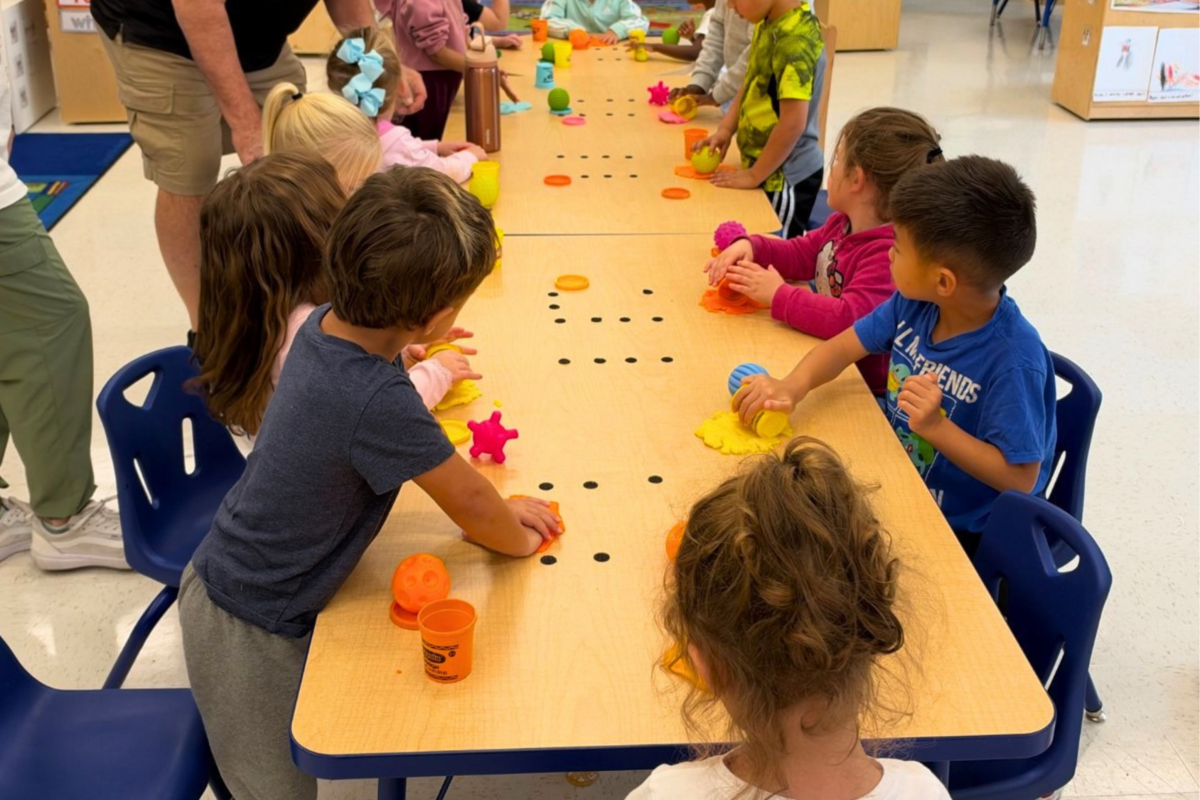
A group of young children sit at long wooden tables in a bright classroom, playing with colorful clay and toys.

What happens when you press a spiky ball into playdough? Mrs. Kiry's Pre-K class at Whitehall Elementary got to find out when one student's grandfather stopped by for a special activity!

As part of their ongoing Ball Study, the class explored a collection of balls with smooth, bumpy, spiky, and dimpled surfaces. Students felt the different textures and guessed what kinds of patterns each ball might leave behind. Then they put their guesses to the test, pressing and rolling the balls into playdough, comparing the marks they made, and talking about what they noticed.

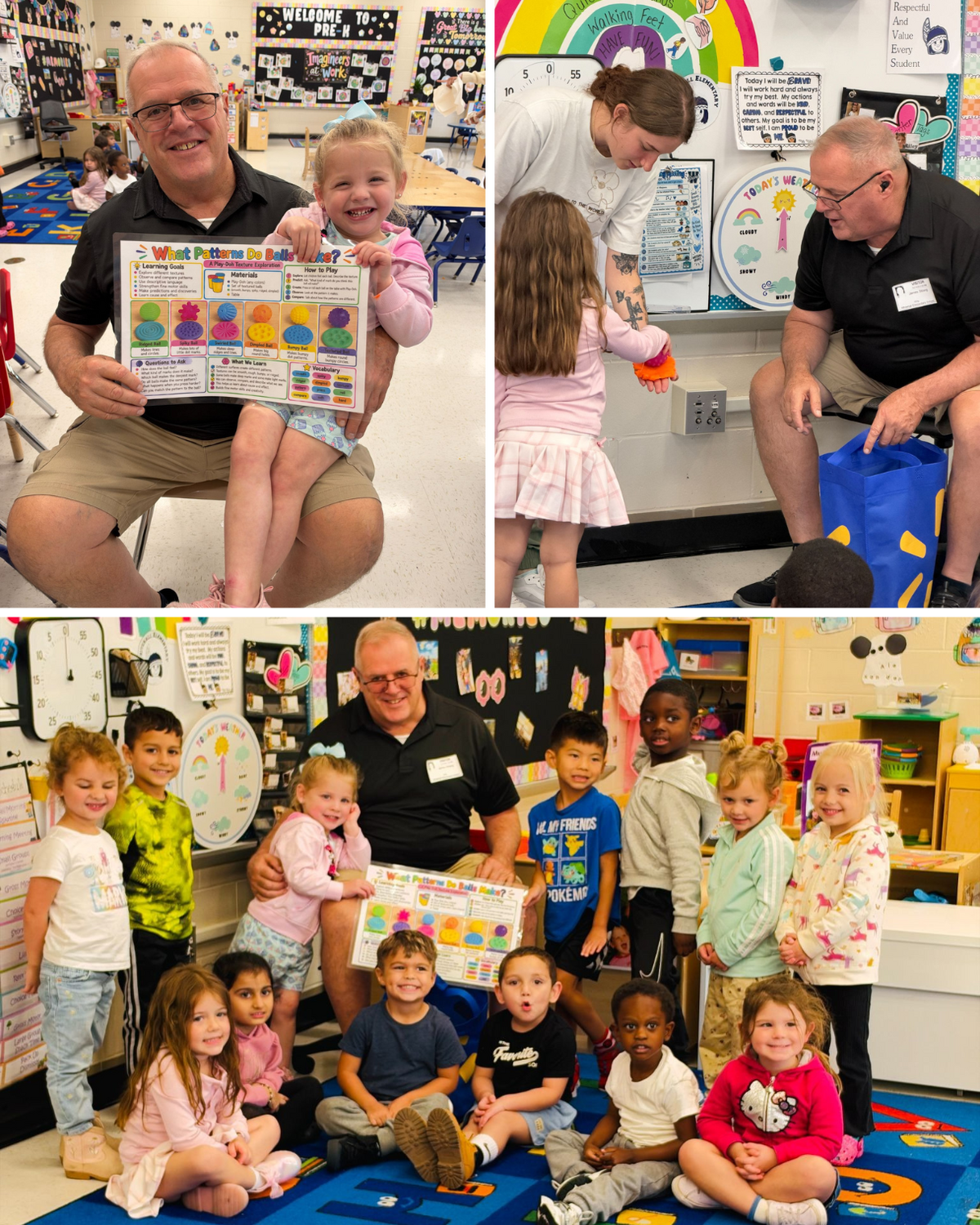
The grandfather also brought enough materials for each student to take a set home and try the activity with their families. A big thank-you to him for spending the afternoon with Mrs. Kiry's class and giving families a chance to join in the fun at home!


A smiling man and a young child hold a chart titled "What Patterns Do Balls Make?" in a brightly decorated classroom.

In Mrs. Murphy's fourth-grade classroom, students had another question to investigate: How do animals know what to do when something happens around them?

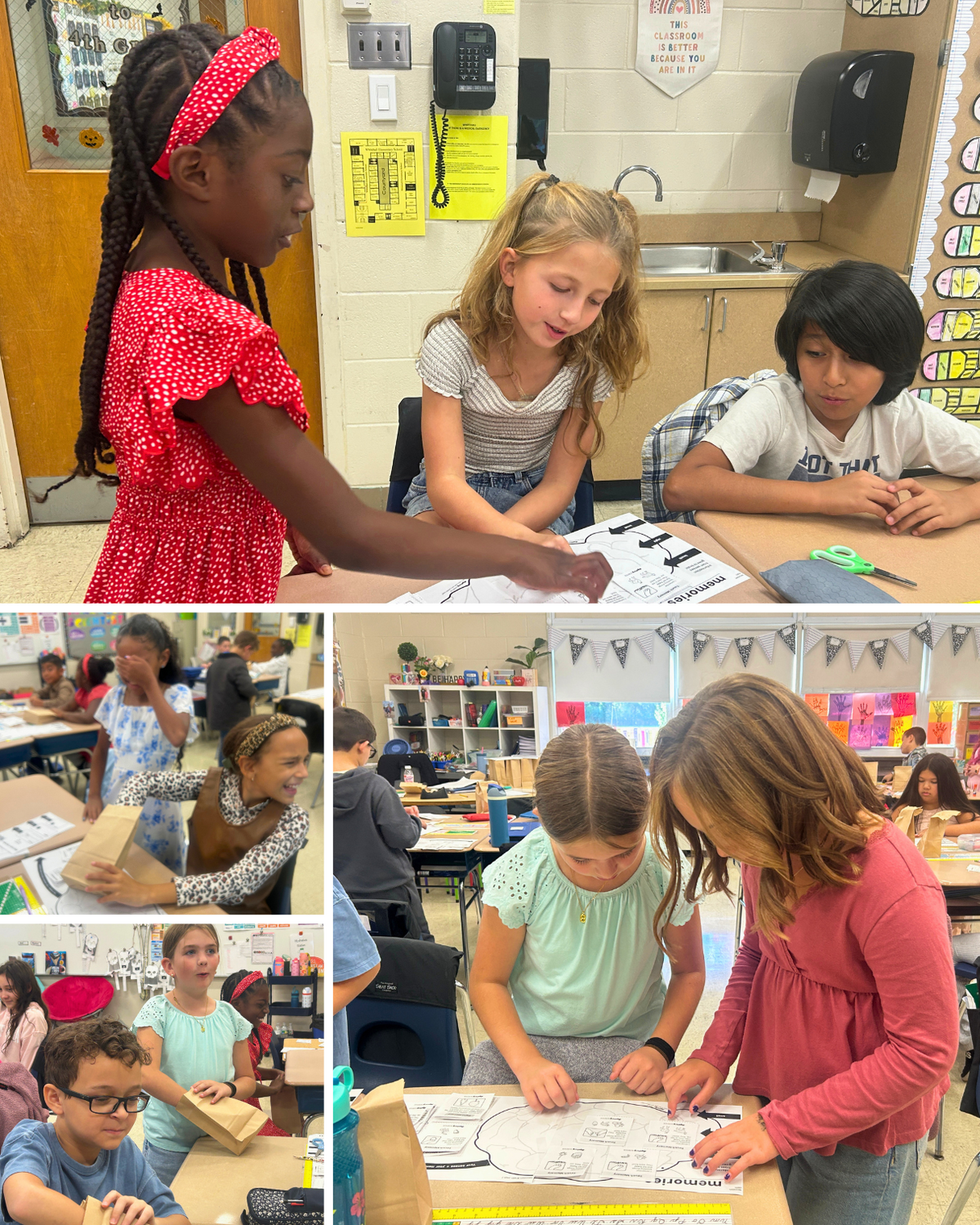
As part of their animal adaptations unit, the class took part in "Raccoon Reactions," using models to explore how animals make sense of their surroundings. Students followed how information from an animal's senses reaches its brain, and how instincts and memories help determine what happens next.


A collage shows children engaged in collaborative classroom activities, including arts and crafts and working on worksheets.

Those reactions can happen in a split second, especially when an animal senses danger. By working through the process themselves, the fourth graders got a better understanding of how animals respond to the world around them and why those reactions are so important to their survival.

Across both classrooms, Whitehall students had plenty of opportunities to ask questions, test their ideas, and see what they could discover along the way!